


Hard money lending has a reputation for speed, and compared with conventional bank financing it often earns it. But speed is not automatic. Even when a lender is built to move quickly, an individual loan can slow down at several points between submission and closing, and most of those delays trace back to a handful of avoidable causes.
Thank you for reading this post, don't forget to subscribe!Knowing where files tend to stall helps investors prepare the right way, ask the right questions early, and keep a deal on track. This guide walks through the most common sources of hard money loan approval delays, and it ends with a preparation checklist and an honest look at why no lender can promise a fixed timeline.
Underwriting is the stage where a lender confirms that the property, the plan, and the borrower hold up. Some of that work depends on the lender, but much of it depends on information and third parties that the investor influences.
A useful way to think about it is that each open question on a file is a place where the process can pause. The more questions the file answers up front, the fewer pauses there are. The causes below are the ones that most often create those questions.
The simplest delays come from missing pieces. An application submitted without proof of funds, without entity documents when the borrower is an LLC, or without a clear explanation of the borrower’s experience forces the underwriter to stop and ask.
Inconsistencies create the same problem. If the name on the purchase contract does not match the name on the application, if the entity details differ between documents, or if the numbers on a budget do not line up with the numbers on the application, the lender has to reconcile them before moving forward.
Fun Fact: Many lenders treat a mismatch between documents as a reason to pause and verify, not a reason to guess. A small inconsistency that takes a minute to explain can take days to resolve if the answer arrives slowly.
Responsiveness matters as much as completeness. A request for one clarifying document that sits unanswered for a week can hold up an otherwise strong file.
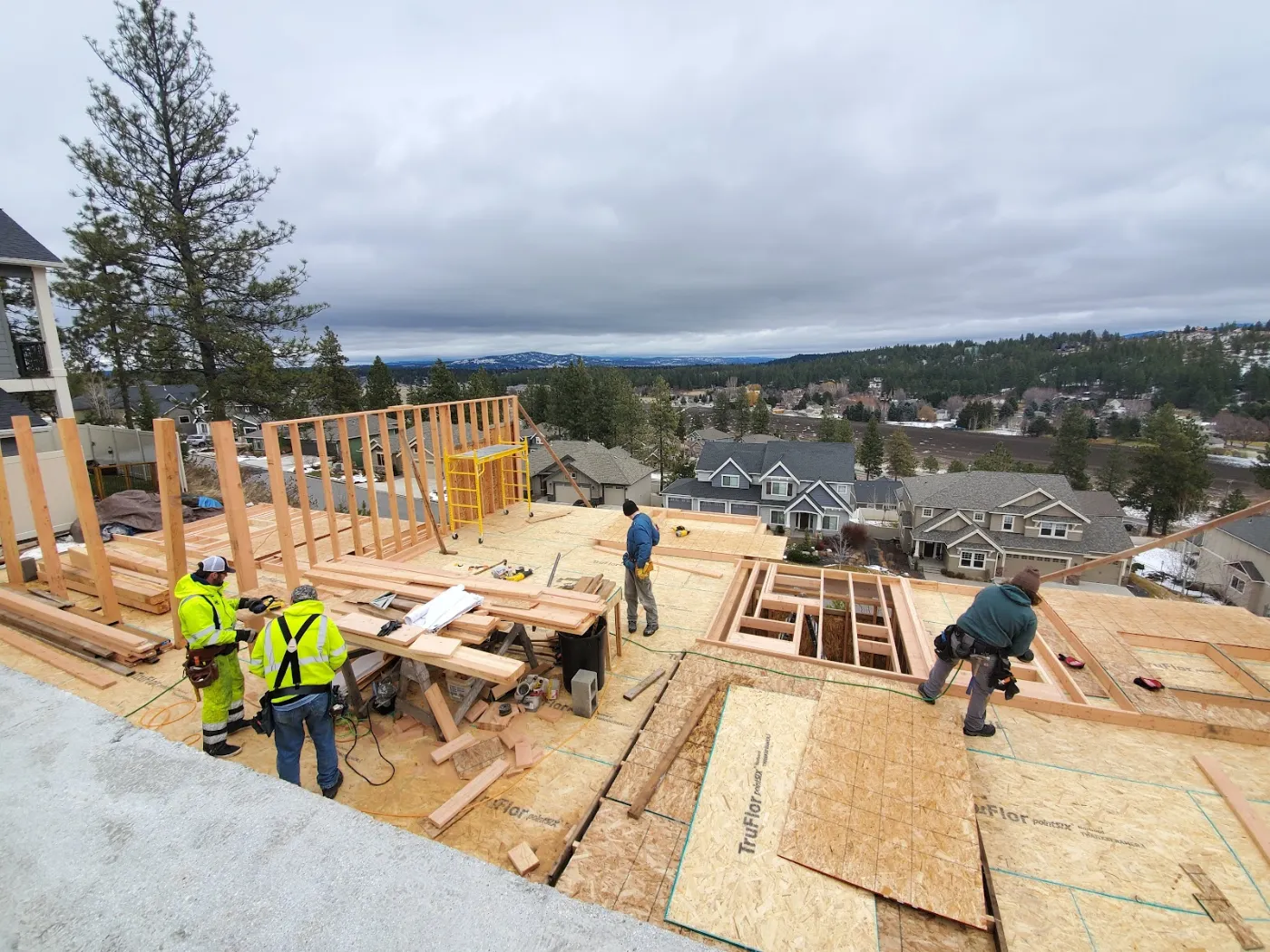
For fix and flip and construction deals, the renovation plan drives both the loan structure and the draw schedule. A budget with round numbers, unexplained line items, or scope that does not match the property gives the lender little to underwrite against.
Delays also occur when the budget changes after submission. If contractor bids come back higher, if the scope expands, or if the investor adds a major item midway through underwriting, the numbers that the lender already reviewed no longer apply, and the review restarts. The post on how investors calculate total project cost before financing walks through building a budget that holds up.
Quick Fact: The earlier a budget is finalized and supported by contractor estimates, the less likely it is to change midstream, and changes midstream are among the most common reasons a file goes backward instead of forward.
A title search is how the lender confirms who owns the property and what claims exist against it. Most deals pass without trouble, but when something shows up, resolving it often depends on outside parties such as other lienholders, title companies, or county offices, and those parties set their own pace.
Common examples include unreleased prior liens, unpaid taxes, judgments tied to a seller or owner, ownership or entity name discrepancies, and easements or boundary questions. None of these is unusual, but each requires clearing before a lender can close. Investors cannot control how fast a third party responds, which is why surfacing these items early is valuable.
The physical condition of the property can also add steps. When there are visible concerns such as structural damage, roof or water problems, or environmental issues, a lender may ask for inspections or additional reports before approving. Properties that are vacant or under renovation often need specific insurance coverage, and quoting that coverage can take extra time.
Access is a practical issue that is easy to overlook. If the appraiser or inspector cannot get into the property, or the utilities are off, the report may be delayed or limited. Coordinating access with the seller or the listing agent in advance prevents an avoidable stall.
Most lenders want an independent check on value, whether through an appraisal, a broker price opinion, or their own review of comparable sales. That step depends on a third party’s schedule and on how easy the property is to value.
Delays are more likely when comparable sales are scarce, when the property is unusual, or when the investor’s after-repair value assumption differs substantially from what the lender’s review supports. A gap in valuation can mean renegotiating the loan amount or terms before the file can move on. The post on after-repair value and how hard money lenders use it explains how that estimate gets built and tested.
Beyond the items above, a long list of smaller documents can slow a file when they arrive late: the fully signed purchase agreement and any amendments, payoff statements for a refinance, contractor licenses or bids, insurance binders, and proof of reserves. Each item is minor on its own. Collectively they are the most common reason a file takes longer than expected, because every one of them has to be present before closing.
| Delay Source | What It Looks Like | What Helps |
|---|---|---|
| Borrower information | Missing entity documents, mismatched names, slow replies | Organize documents up front and designate one contact |
| Budget and scope | Vague line items or changes after submission | Finalize the budget with contractor support before applying |
| Title | Liens, tax issues, ownership questions | Review title early and address issues quickly |
| Property condition | Extra inspections, insurance for vacant property | Disclose known issues and arrange coverage early |
| Valuation | Few comps, value gap with the lender | Support value with close, recent comparables |
| Documentation | Late amendments, payoffs, insurance binders | Track outstanding items and send them as soon as available |
Different lenders ask for different things, so the best first step is to request your lender’s current document list. In general, these steps help any file move more smoothly:
For a broader look at preparing a complete submission, see how to prepare before applying for a hard money loan, and for how lenders judge a deal overall, see what makes a real estate deal fundable.
It is natural to want a number of days. The reality is that approval time depends on the loan, the property, the completeness of the file, the responsiveness of everyone involved, and the schedules of third parties such as appraisers and title companies. A simple, well-documented deal with a responsive borrower will usually move faster than a complex one with open questions, but any specific number would be a guess.
The more useful question is what is still outstanding. At any point, a good lender can tell you what items remain and what each one depends on. Planning around that list, and building a little buffer into your contract timeline, protects you better than any promise of speed.
Preparation does not guarantee a particular timeline, but it removes the delays that are within your control. Private Money Capital works with investors across Spokane, WA, and throughout Washington, Idaho, and Montana on fix and flip loans, construction loans, bridge loans, and residential investment loans.